Let's be honest about what happens
Menopause changes how sensation feels. It doesn't erase it. That distinction is critical because most of what you hear falls into one of two traps: "everything goes numb down there" or "it's fine, don't make a big deal about it." Neither is true, and both miss the point entirely.
Here's what actually shifts when estrogen drops, and why a clitoral vibrator like the Lem works differently now than it might have before.
The physiology nobody explains clearly
Estrogen is basically tissue fertilizer. When your levels drop during menopause, the vulva's outer layers get thinner. The clitoral tissue itself doesn't shrink, but the surrounding structures do. This changes how stimulation registers.
The vaginal opening also loses elasticity. Blood flow takes longer to build. The clitoris still has the same nerve density and the same neural pathways to orgasm. What changes is the medium. It's like turning up the volume on a speaker when the room gets noisier. The signal is the same. The delivery system needs adjustment.
Here's what doesn't change, and this matters: your capacity for orgasm. The architecture of pleasure in your brain. Your right to feel good.
Why sensation feels different (not worse)
Three things happen that people don't usually discuss.
First, directness changes. Thinning tissue means friction alone can feel too intense or even uncomfortable. This isn't a pain problem. It's a sensitivity problem. The clitoral glans becomes more exposed as surrounding tissue thins, which means direct stimulation can border on sharp rather than pleasurable.
Second, warm-up time extends. Arousal doesn't happen in five minutes anymore. Budget 20-30 minutes before you expect sensation to build. This isn't laziness or loss of desire. It's physiology. Blood flow to the vulva takes longer to activate.
Third, the type of stimulation matters more. Vibration feels very different from suction when tissue is thinner. A lemon sucker or clitoral suction toy (like the Lem) applies gentle, consistent pressure without the friction that can aggravate sensitive tissue. It's not a workaround. It's often superior to what worked before.
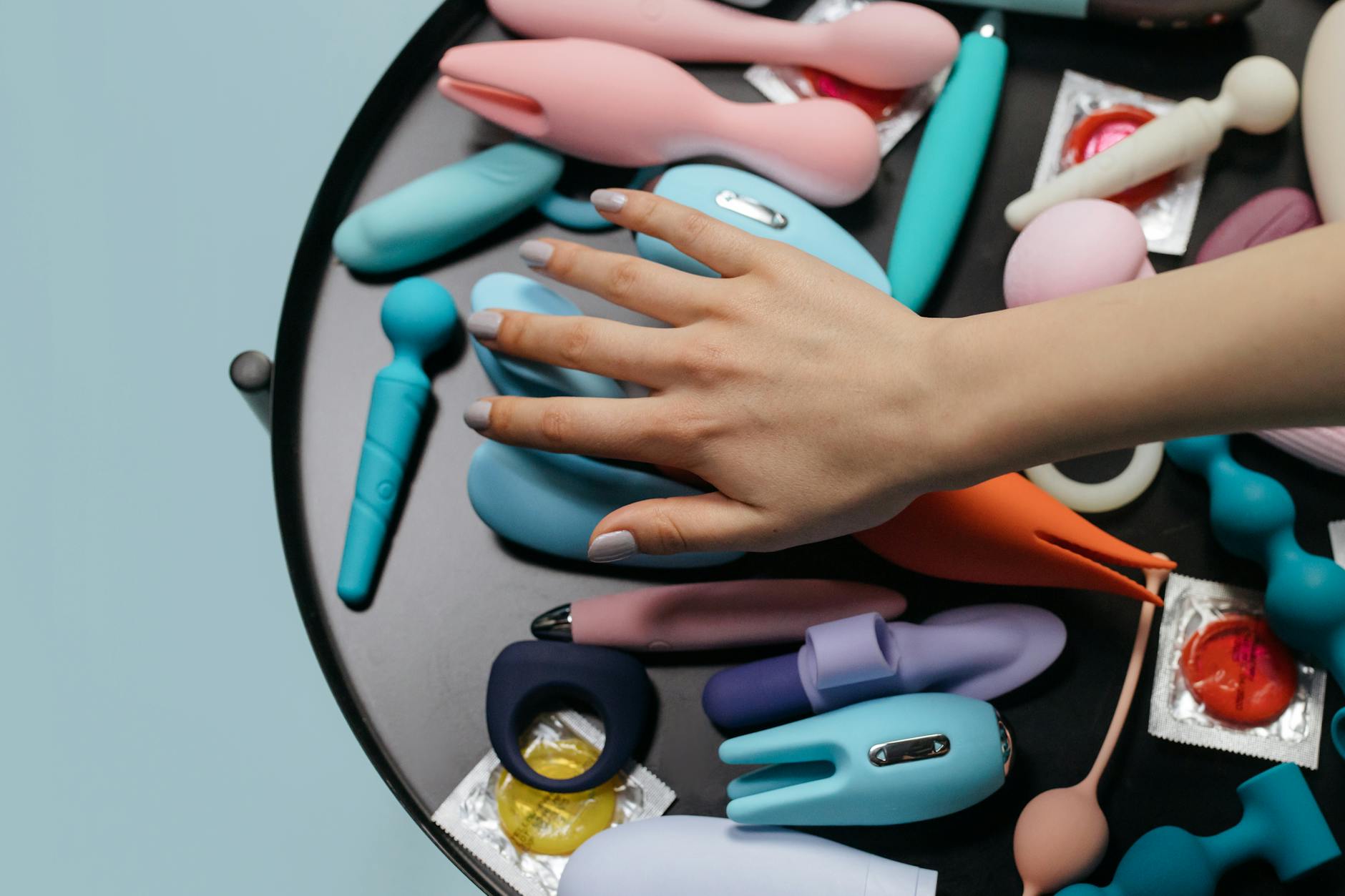
Photo by cottonbro studio on Pexels
Why lemon clitoral vibrators are different
Let me separate vibration toys from suction toys because the distinction matters post-menopause.
Traditional vibrators apply oscillating pressure directly to the clitoris. They work fine if tissue is thick and robust. After menopause, that same direct vibration can feel numbing, overwhelming, or simply uncomfortable because there's less tissue to absorb the sensation.
A lemon vibrator, specifically a suction-based clitoral toy, uses rhythmic pulses of gentle suction. This stimulates the clitoris without direct friction. The sensation is broader, deeper, and often more intense because it engages the entire clitoral structure (the visible bud plus the internal bulbs and legs that extend inside your body). You're not just touching the surface. You're activating the whole system.
For someone with less sensation after menopause, this difference is the difference between frustration and pleasure. The suction approach works with your physiology, not against it.
How to actually use a Lem post-menopause
Four practical adjustments that make the biggest difference.
Lubrication is mandatory, not optional. Water-based lube isn't a crutch. It's essential when tissue is thinner. Apply generously to the external area before you start. Reapply if sensation dulls. The lube reduces friction and makes suction more effective. Don't skip this step.
Start on the gentlest setting. If your Lem has multiple intensity levels, begin at level 1 or 2. Thinner tissue is more sensitive to pressure changes, even if overall sensation feels muted. Work your way up. You may find that you never need level 5. That's fine. The goal is sensation, not proving a point.
Position matters more now. Lying down usually works better than sitting. When you're reclined, gravity doesn't pull blood away from your genitals. This helps arousal build faster and sensation register more clearly. Give yourself permission to get comfortable in a way that supports your own pleasure.
Allow the warm-up to be part of the experience. Spend 10-15 minutes on external stimulation before you even think about intensity. Touch your thighs, your breasts, your whole body. Let your nervous system activate. Then introduce the toy. Sensation builds on sensation. You're not rushing.
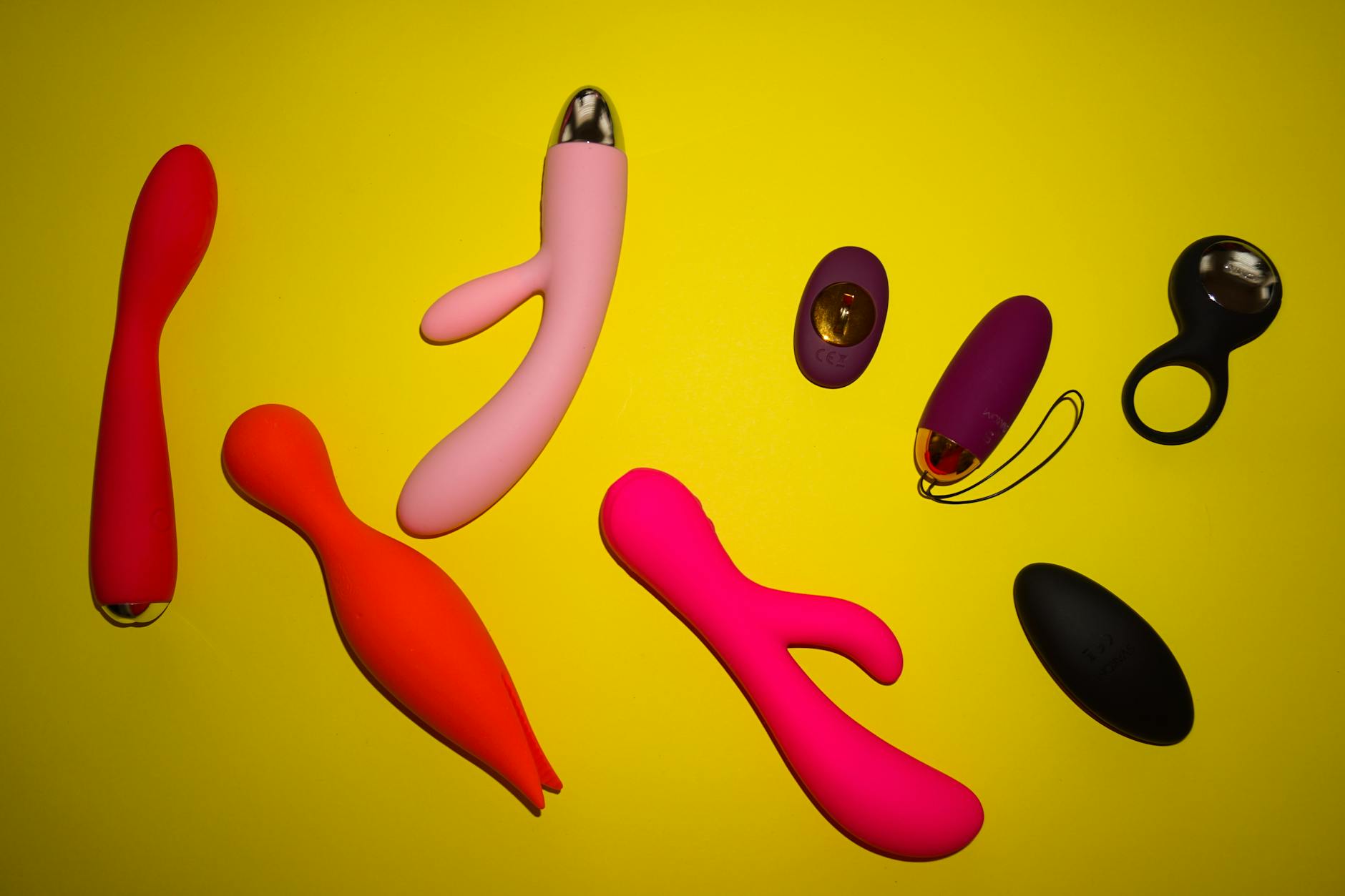
Photo by FounderTips on Pexels
The emotional piece that matters as much as the physical
Menopause often arrives tangled up with other life shifts: identity changes, relationship renegotiation, grief about aging, comparison to your 30-year-old self. The temptation is to blame everything on hormones. Sometimes sensation loss is purely physiological. Sometimes it's actually disconnection, stress, or relationship strain wearing a hormonal disguise.
If you're with a partner, separate the two conversations. "My body is responding differently to touch" is different from "I want us to reconnect." Confusing them turns both into dead ends.
If you're single, this is often the moment when people discover their best orgasms ever. There's no performance pressure. No one else's timeline to sync with. Just you, time, and the freedom to explore what actually feels good now, at this stage of your life.
Less sensation doesn't mean less pleasure. It means you get to relearn what works. That's not a setback. That's an invitation.
When to check in with a doctor
If pain appears during sex or toy use, don't wait. Genitourinary syndrome of menopause (GSM) is real, treatable, and common. A menopause-informed GP or gynaecologist can often help with topical estrogen creams or vaginal moisturizers that make a massive difference in weeks.
If desire has completely flatlined and isn't returning with time and exploration, testosterone therapy is worth discussing with a provider. It's prescribed conservatively in some regions, but it's available and often restores sensation and drive effectively.
If numbness is extreme or doesn't improve after lubrication and using toys like lemon clitoral vibrators, check in. Sometimes it points to something else happening neurologically, and that's worth knowing.
The longer conversation about pleasure in midlife
Here's what I see in my practice: menopause is not a deadline for sex. It's a recalibration point. What you had before was one version of pleasure. What you have access to now is different, and often richer because there's less cultural noise and performance anxiety attached to it.
Your clitoris still has every nerve ending it ever had. Your brain still knows how to build arousal and release it. You still deserve sensation, connection, and the freedom to explore what actually turns you on now.
Using <a href="/blog/how-to-choose-between-suction-and-vibration-for-clitoral-pleasure">suction-based clitoral toys like lemon vibrators</a> is one solid tool for bridging that recalibration period. But it's also worth getting curious about what else might have shifted. Are you in a relationship that still works? Is stress manageable? Do you actually like your body, or have you been waiting for menopause to pass before you do? Sometimes addressing sensation means addressing context.
Menopause is the middle chapter of your sexual life, not the end. And if you're willing to explore it with honesty and the right tools, you often find that this version of you is more capable of pleasure than the version that came before.
FAQ: Sensation, menopause, and using lemon vibrators
Will my sensation come back after menopause ends?
Sensation typically stabilizes once you're firmly in post-menopause (usually 8-10 years after your last period). Some women report gradual improvement. Others find they prefer the sensation they have now. Hormone therapy can affect this too. The key is working with what you have rather than waiting for it to return to exactly how it was.
Can I use a regular vibrator with the same settings I used before?
Often not, and that's okay. Lower intensity usually feels better post-menopause because the tissue is more sensitive to vibration pressure even if overall sensation feels numb. You're not losing function. You're just needing a different approach. Many people find they prefer the results with a suction toy like the Lem.
How long before I should notice a difference using a lemon clitoral vibrator?
You might notice a difference within the first few sessions if you're using proper lubrication and starting on gentle settings. That said, sensation also improves with consistency and reduced stress. Give yourself at least a month of regular exploration before deciding if something works.
Does lube affect how a suction toy like the Lem works?
Yes, positively. Lubrication helps the toy seal properly against your skin and makes the suction sensation stronger and more pleasurable. It also reduces any friction that might irritate thinner tissue. Use water-based lube generously.
Should I be worried if sensation is still low after trying different toys?
If sensation remains very low even with lubrication, time, and different toy types, mention it to your GP. Sometimes it points to medication side effects, neurological changes, or other health factors worth checking. It's not something to live with silently.
Can my partner help improve sensation during menopause?
Absolutely. Extended foreplay, varied touch on different parts of your body, and patience while you warm up all help. Partners who understand that this is a physiological shift, not a personal rejection, can actually deepen intimacy. Communication is everything. Be specific about what does and doesn't feel good now.